Roberto Matta
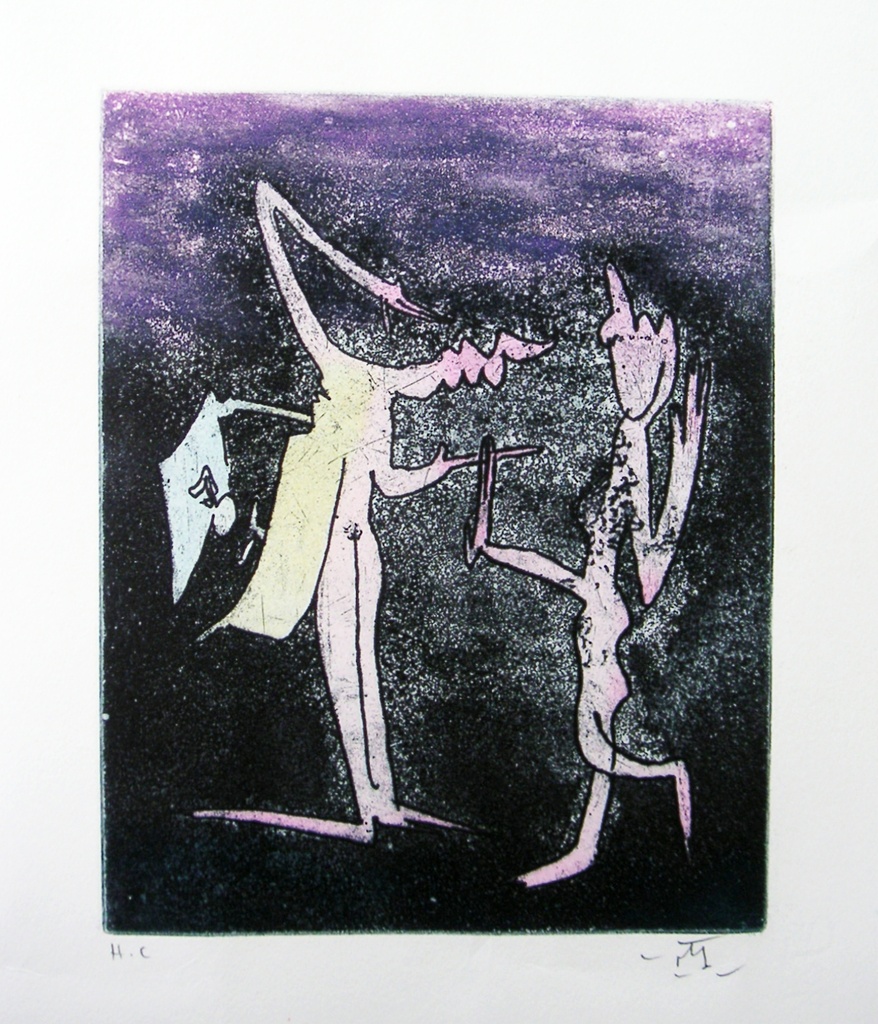
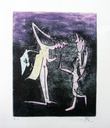
The sea, Salt pathway
1970
Aquatint on paper
38 × 28 cm
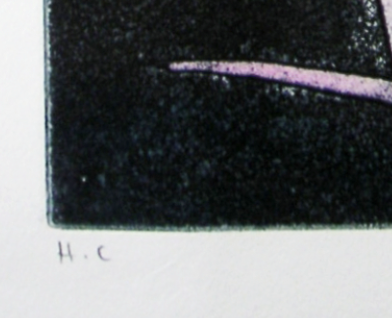
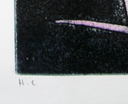
H.C
Location: Saint-Gervais les bains, France
About the artwork
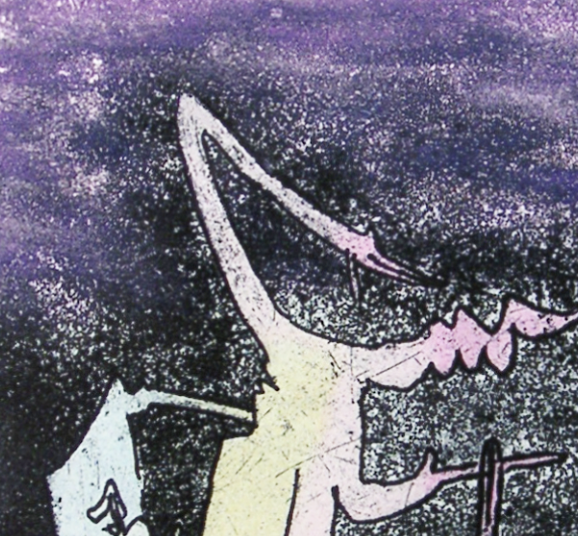
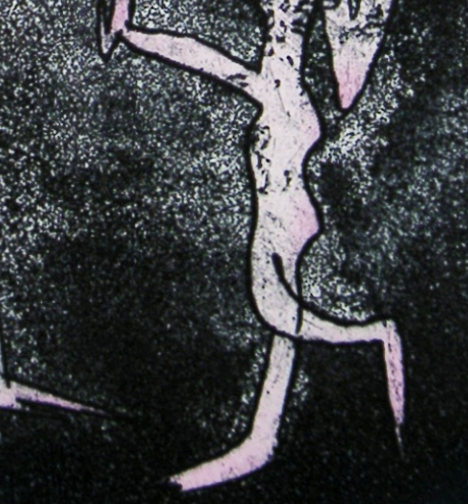
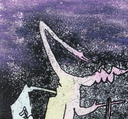
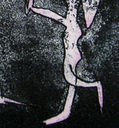
Two unidentified humanoid forms face each other, or do they have their backs to each other? This work borrows the codes of the nightmare: twilight, chimerical forms, unreal gestures and an incomprehensible context. Roberto Matta inscribes his work with a certain surrealism, taking the viewer into a visual labyrinth between dream and reality and disinhibiting his thoughts.
Expert opinion
This work is a perfect expression of the surrealist Roberto Matta's research into form and morphology, one of the leading figures of the Surrealist movement.
About the artist
Born in Chile in 1911 and died in 2002, Roberto Matta was a Surrealist artist, considered one of its last representatives. An avid traveler, he left Chile following his studies in architecture, arriving in Paris in 1934, where he became a disciple of Le Corbusier and later of Breton. However, his exclusion from the Surrealist group between 1948 and 1959 and his political commitment dictated his work in the 1960s. He was awarded the Gold Medal of Merit of Fine Arts (Spanish prize) in 1985, marking the beginning of an accepted recognition, underpinned by successive awards such as the Chilean National Art Prize in 1990 and the Praemium Imperiale (Japanese prize) in 1995.
“I was trying to get into forms revealed by the microscope. Instead of human bones, I used a fly's wing joint.”
Additional info
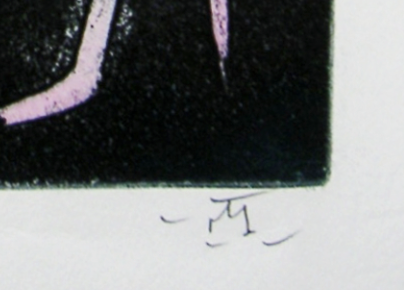
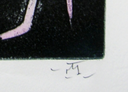
Signed
Certificate
OTHER ARTWORKS YOU MAY LIKE
Your Dynamic Snippet will be displayed here...
This message is displayed because you did not provide both a filter and a template to use.