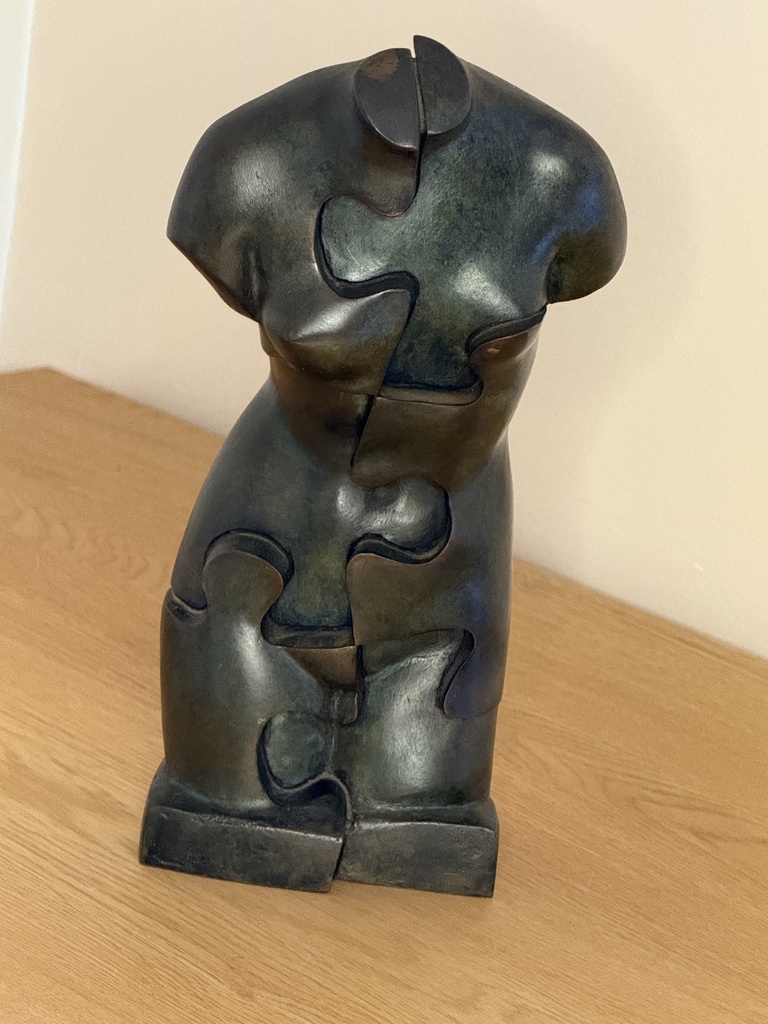

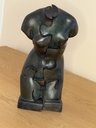
Sache Sosno
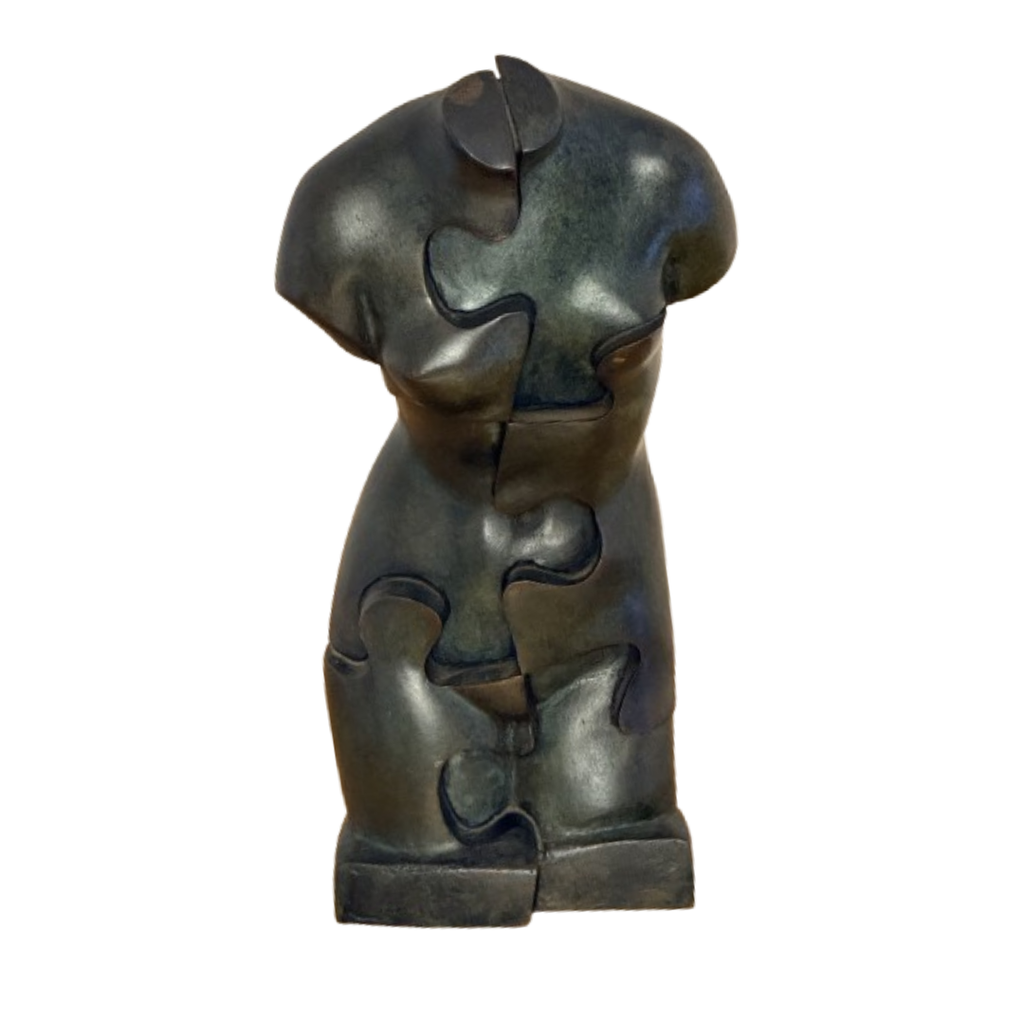
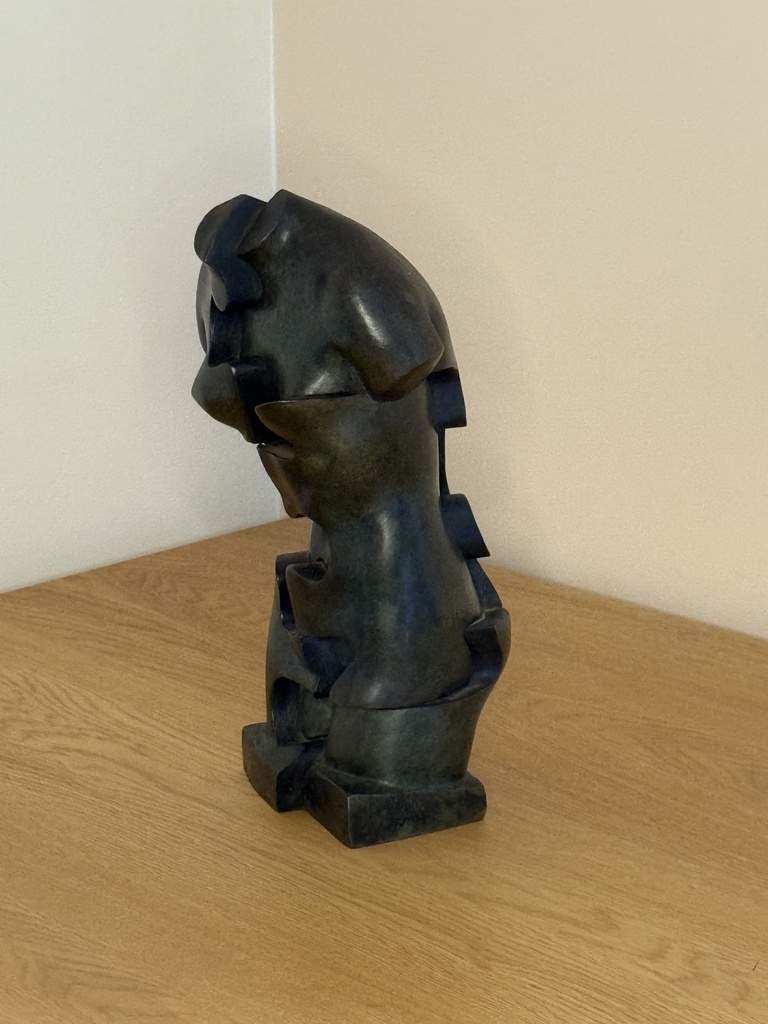
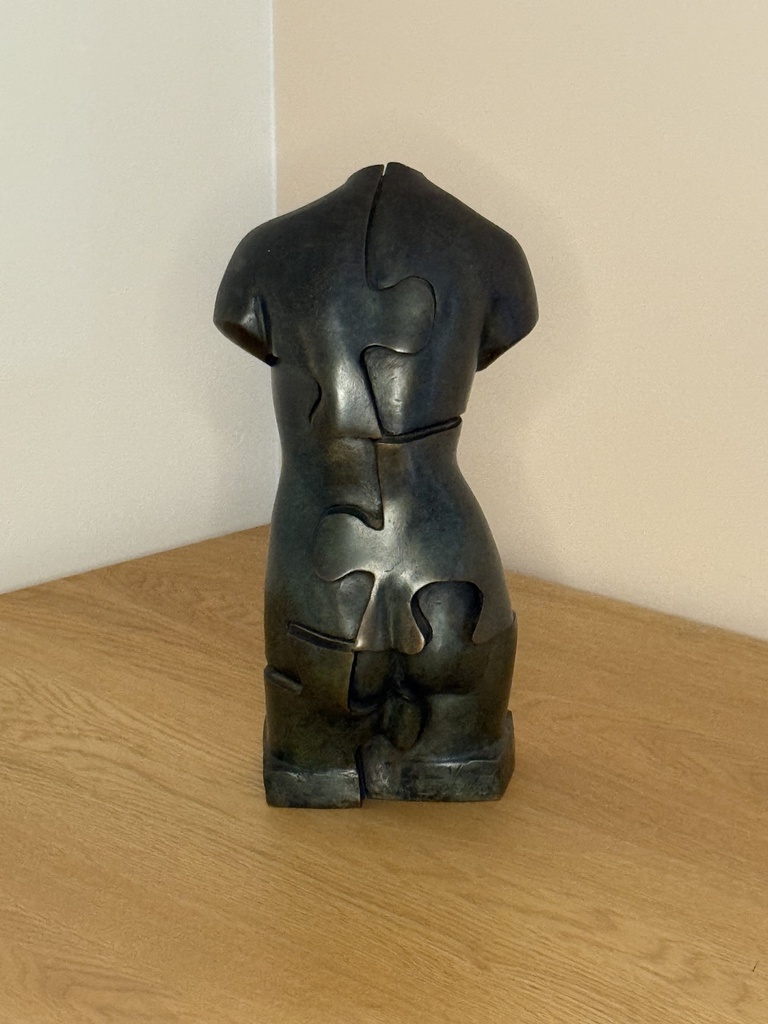
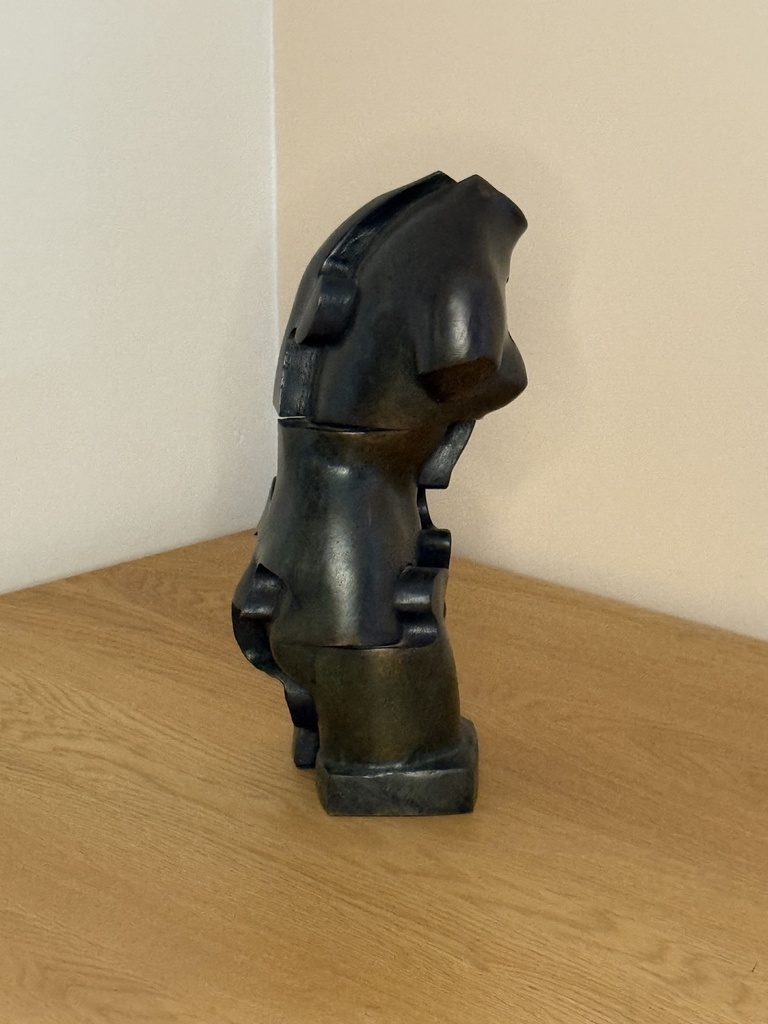
Petite vénus puzzle
2008
Bronze
27 × 14 × 12 cm
Unique
Location: Narbonne, France
Documents
-
Invoice or proof of purchase
-
Certificate of authenticity
-
Other documents
About the artwork
This bronze sculpture by Sacha Sosno embodies one of the founding principles of his work: obliteration—the art of “hiding in order to see more clearly.” The female torso, inspired by classical ideals, is fragmented by shapes reminiscent of puzzle pieces that fit together and come apart. By deliberately interrupting the forms, Sosno creates a subtle interplay between presence and absence, continuity and rupture. The deep patina enhances the sculptural effect and highlights the smooth transitions between the fragments. Despite its intimate scale, the work possesses a strong symbolic density: the viewer is invited to mentally reconstruct the body, to restore what is missing, and to imagine what has been removed. This engagement of the viewer lies at the heart of Sosno’s aesthetic.
Expert opinion
This work is an excellent example of Sosno’s sculptural language in the early 2000s. His mastery of bronze, combined with the conceptual rigor of the obliteration technique, makes this a highly sought-after piece in small-format editions. Number 1/8, which is particularly coveted, further heightens collectors’ interest. The quality of the craftsmanship, the balance between fragmentation and harmony, and its alignment with the guiding principles of the École de Nice make this a representative sculpture worthy of a museum. It is a work that perfectly encapsulates Sosno’s approach: giving form to absence, creating a new space of perception from the void.
About the artist
Alexandre Joseph Sosnowsky, known as Sacha Sosno (1937, Marseille - 2013, Monaco), is a French sculptor, painter and visual artist associated with the École de Nice. He spent his childhood between Riga and Nice, where he met Henri Matisse at an early age. In the 1950s, he met Yves Klein and Arman, who had a profound influence on his artistic thinking. Moving to Paris in the late 1950s, he studied political science and oriental languages, while working as a photographer and reporter, notably in Northern Ireland, Bangladesh and Biafra. Back in Nice, he founded the magazine Sud-Communications in 1961, in which he published the first theory of the École de Nice. Sosno went on to develop his major concept of "obliteration" - "hiding in order to see better" - which he applied to painting, sculpture, photography and architecture. His monumental outdoor works, including the famous Tête Carrée housing the Louis-Nucéra library in Nice, earned him international recognition. His work, made up of voids, masks and interrupted forms, invites the viewer to mentally recompose the image, making absence a veritable motor of perception.
OTHER ARTWORKS YOU MAY LIKE
Your Dynamic Snippet will be displayed here...
This message is displayed because you did not provide both a filter and a template to use.