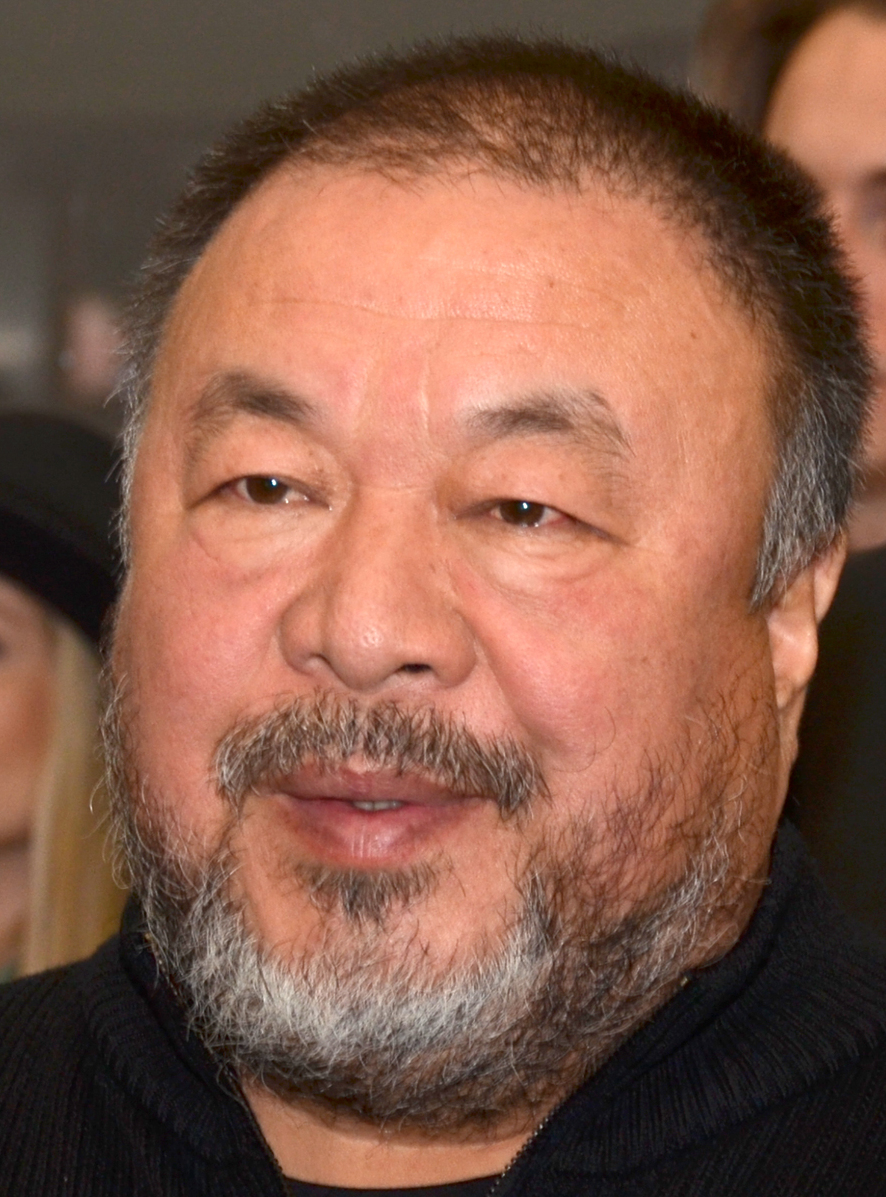
Ai Weiwei
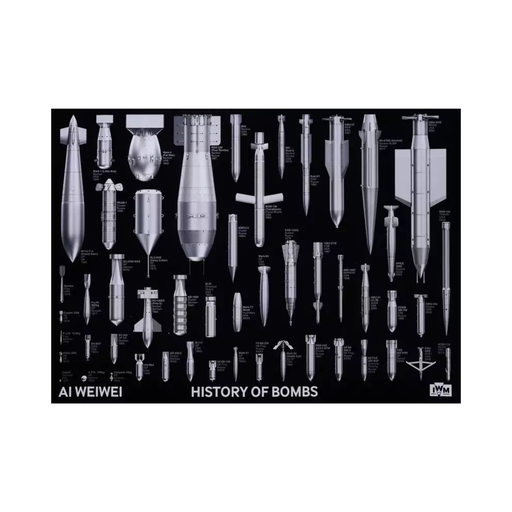
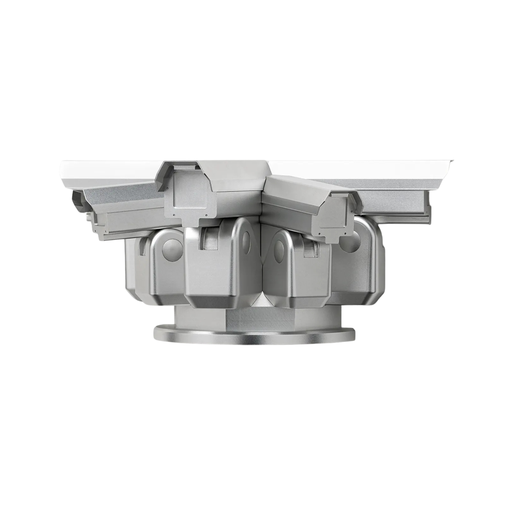
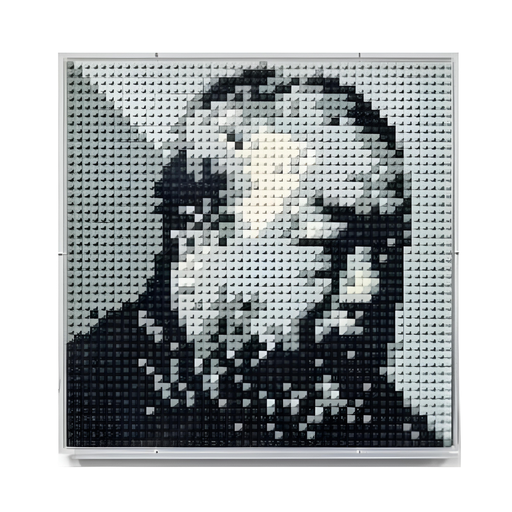
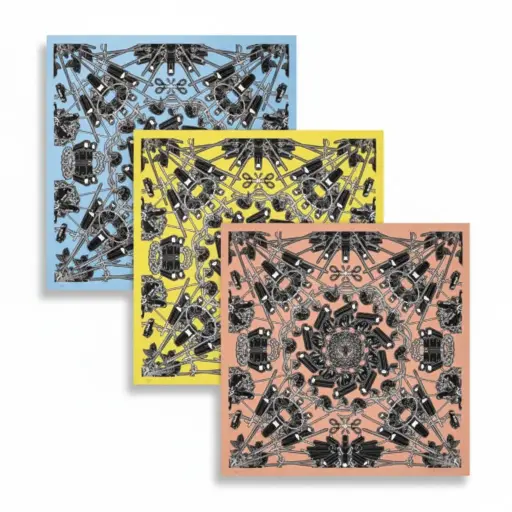
Ai Weiwei (born 1957 in Beijing, China) is a Chinese artist and activist living and working in Berlin, Cambridge, and Portugal. He studied animation at the Beijing Film Academy and became a founding member of the Stars Art Group in 1979, which challenged artistic restrictions in post-Mao China. After moving to New York in 1981, he engaged with Western art movements, particularly conceptual art and minimalism. Returning to China in the early 1990s, Ai established himself as a key figure in contemporary art with a multidisciplinary practice that includes sculpture, installation, photography, architecture, social media, and filmmaking. His work often utilizes everyday materials such as Lego bricks, porcelain, and found objects to address themes of identity, history, human rights, and state control. Notable projects include installations like Sunflower Seeds and Straight, which reflect on significant social issues. Ai's outspoken criticism of the Chinese government led to his arrest and imprisonment in 2011, increasing his international visibility. His works are part of major collections in institutions such as the Tate, MoMA, the Metropolitan Museum of Art, and the Centre Pompidou.
Ai Weiwei has had shows in prestigious institutions and galleries including :
- Ai Weiwei: According to What?, Hirshhorn Museum and Sculpture Garden, 2012 https://hirshhorn.si.edu/exhibitions/ai-weiwei-according-to-what/
For further information on Ai Weiwei's work and career:
- Official website: https://www.aiweiwei.com/