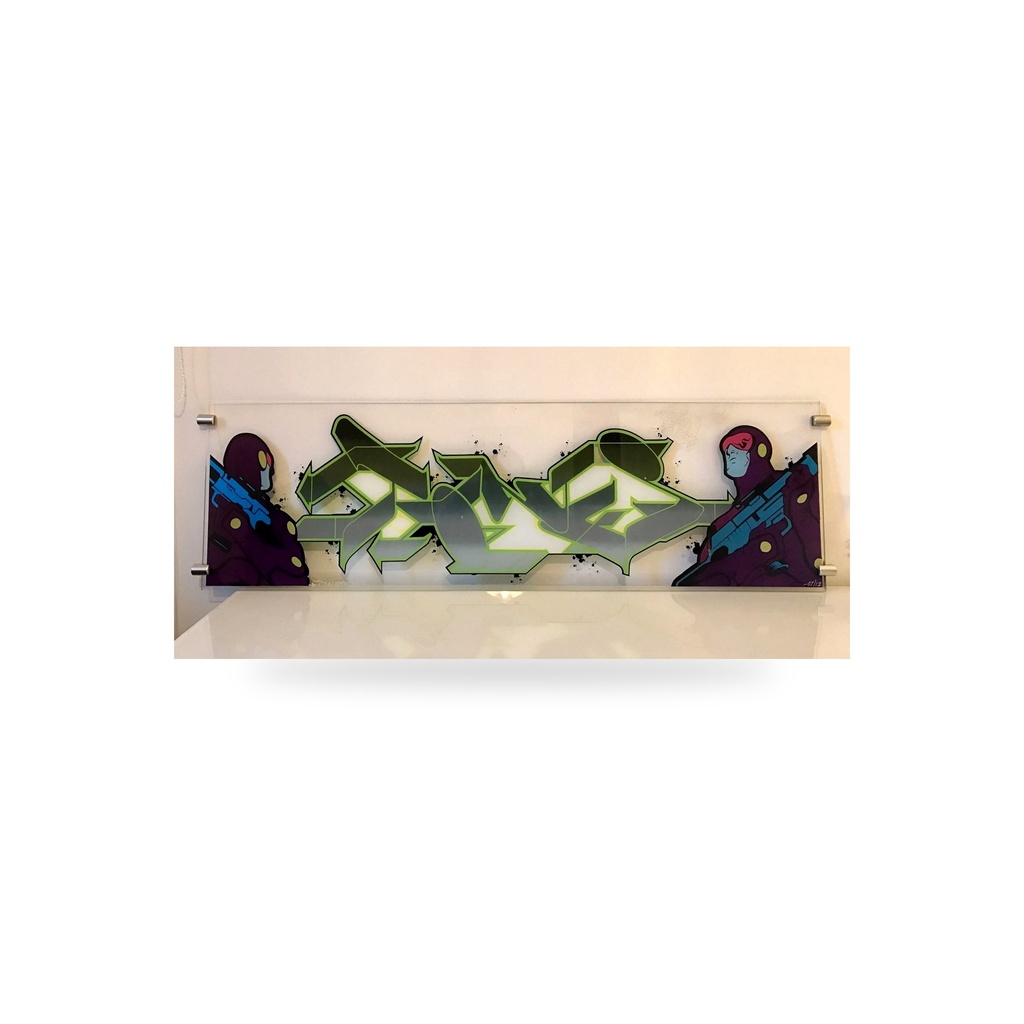
RECTO (Frédéric Platéus)
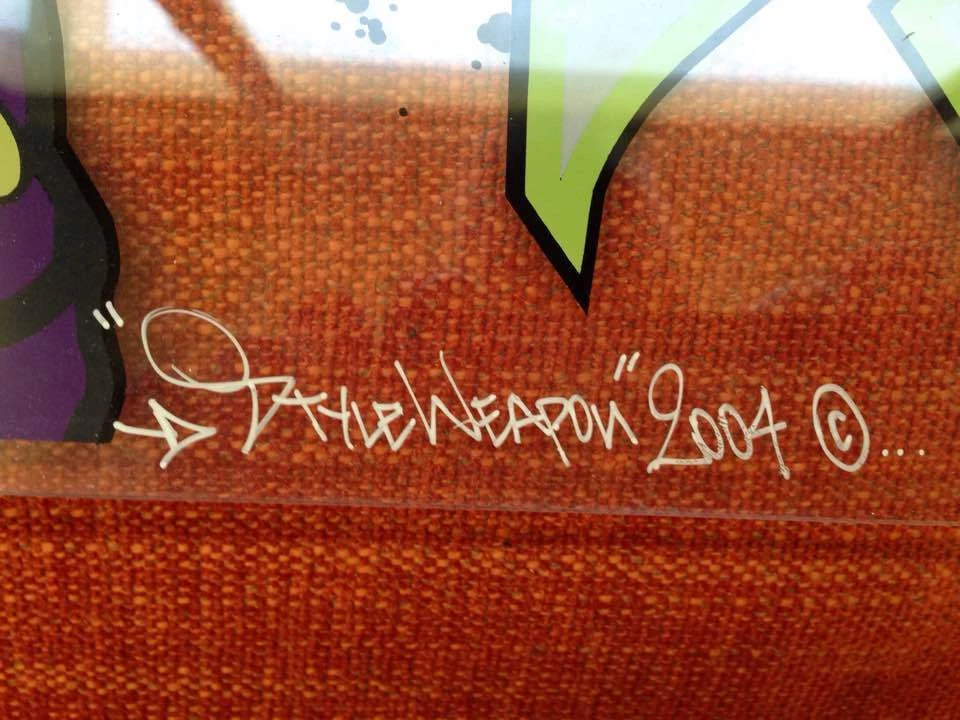
style weapon
2004
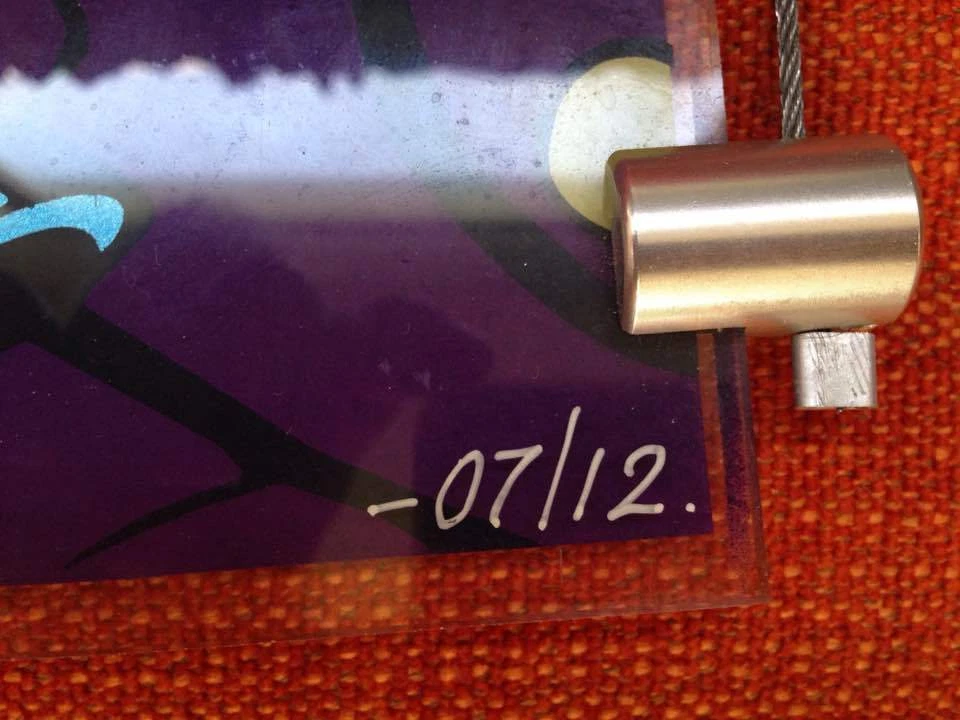
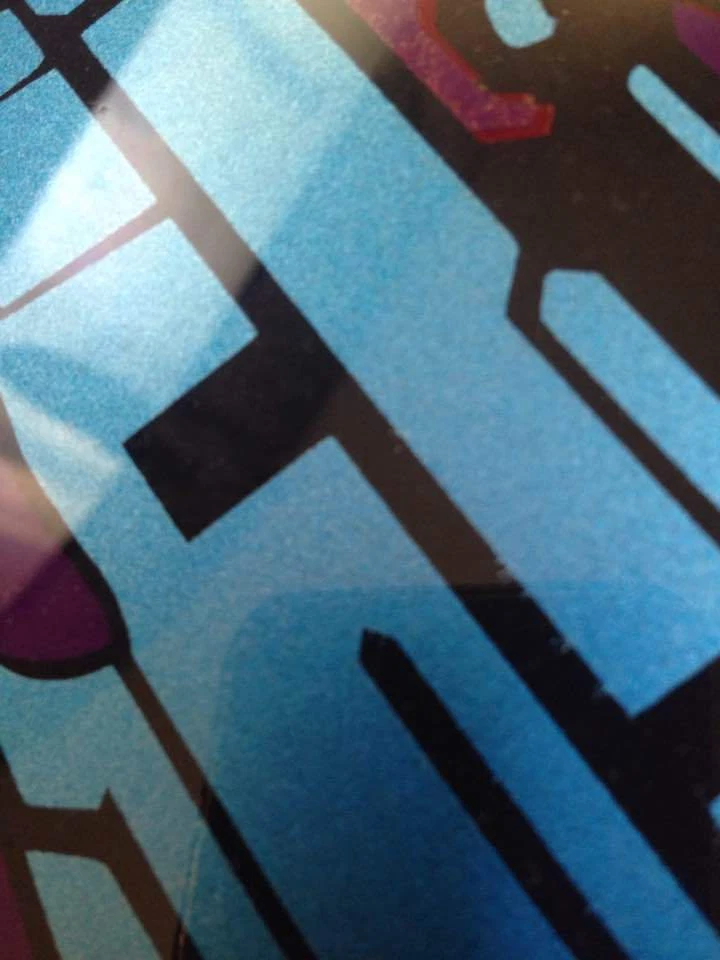
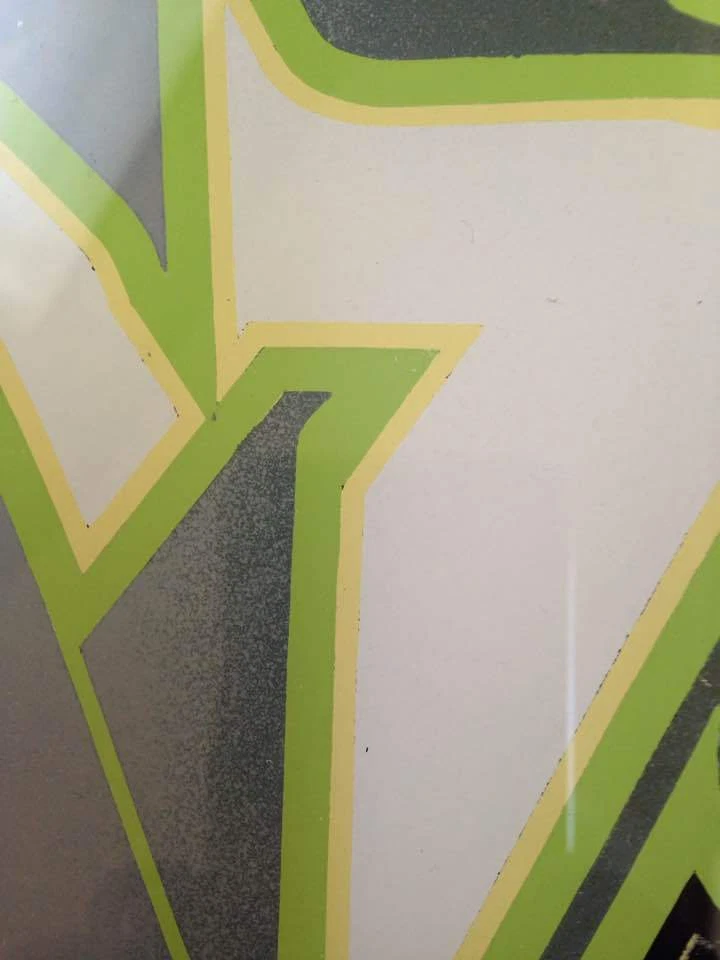
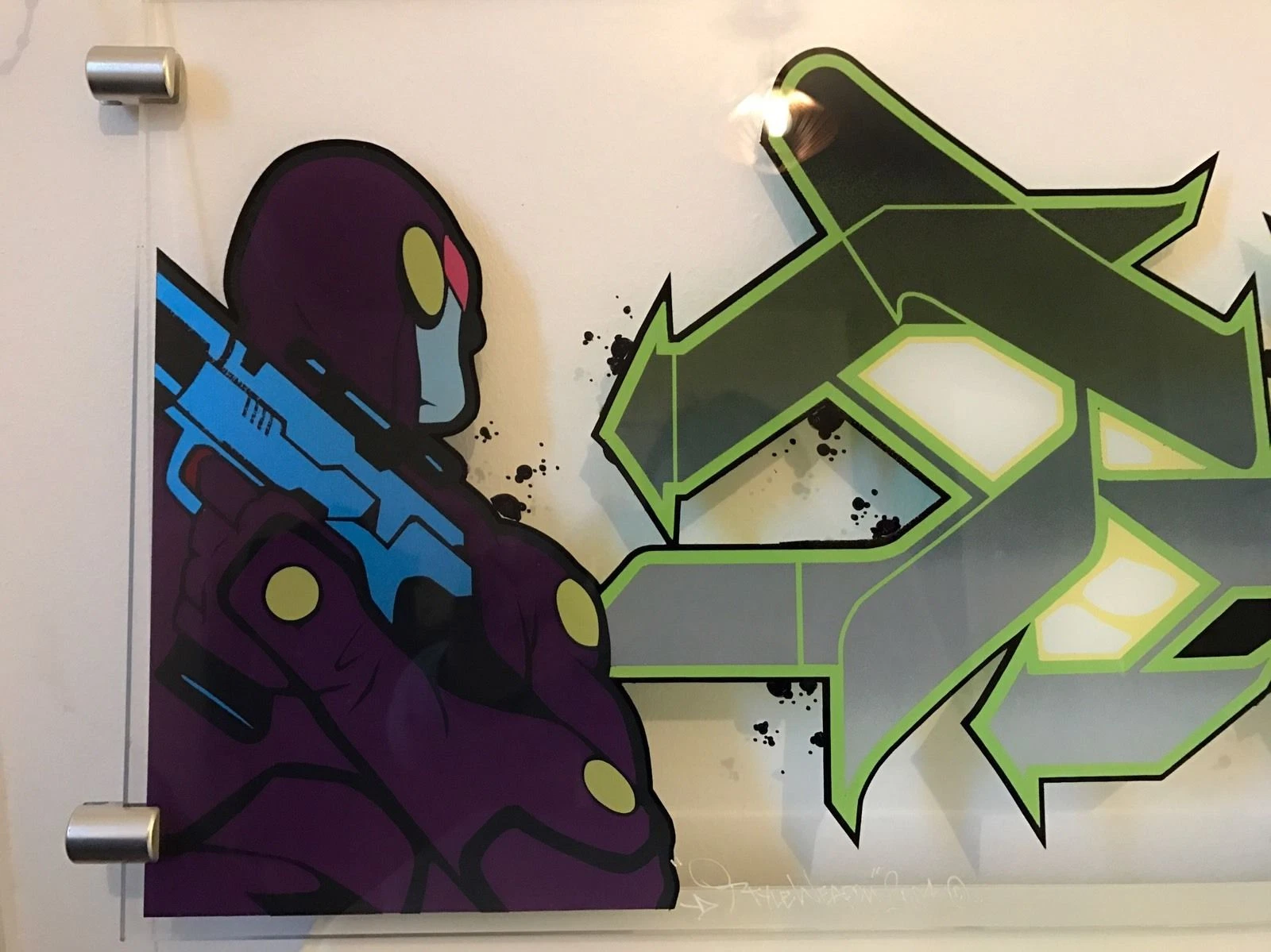
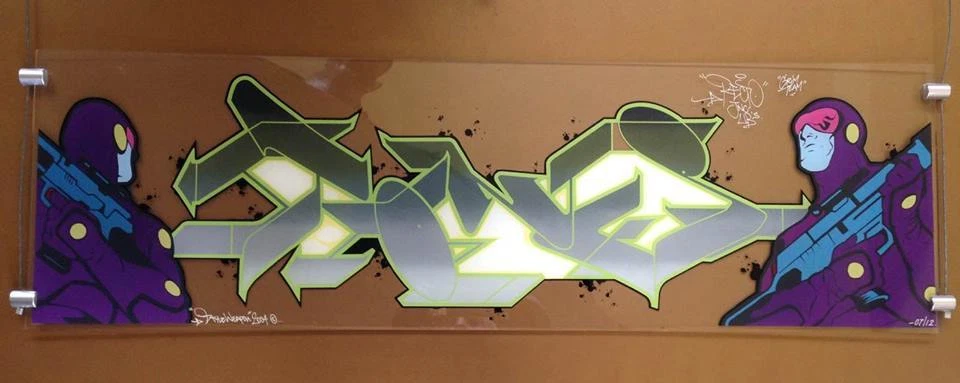
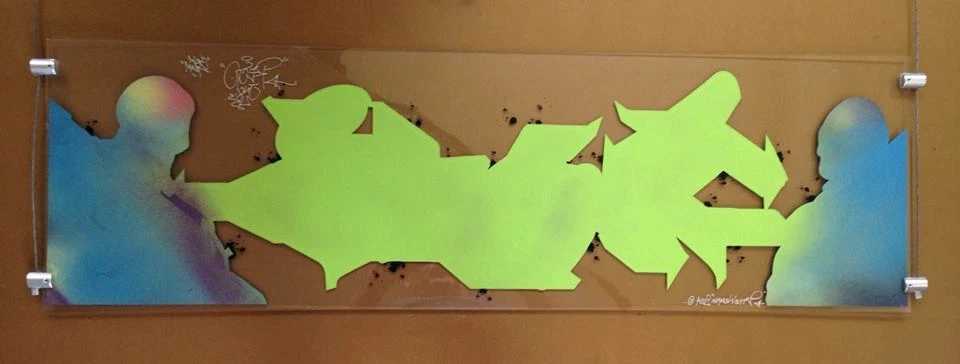
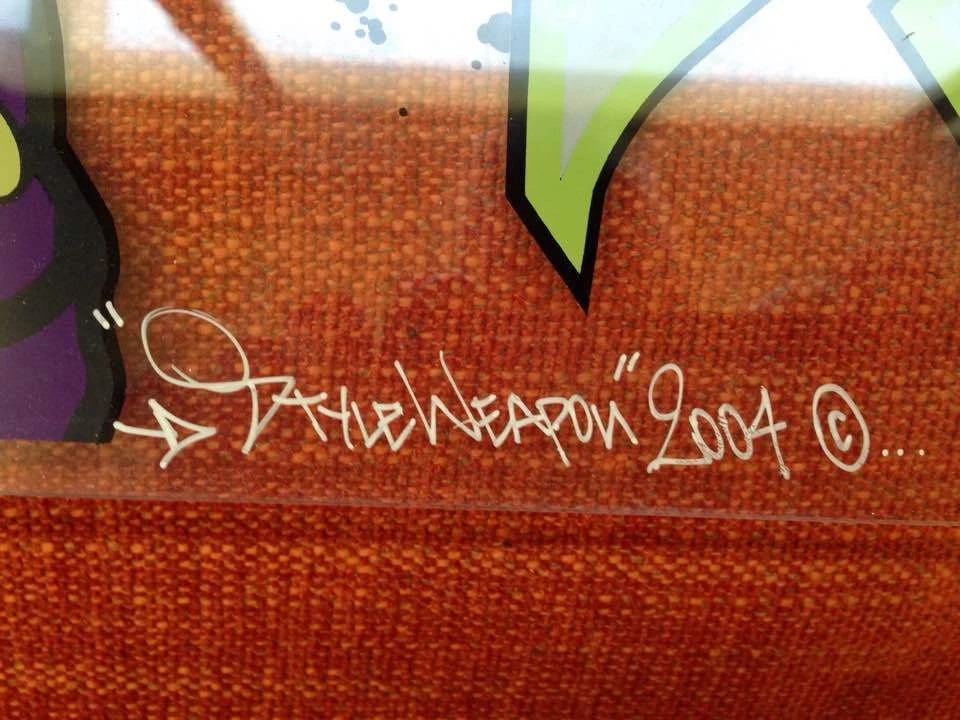
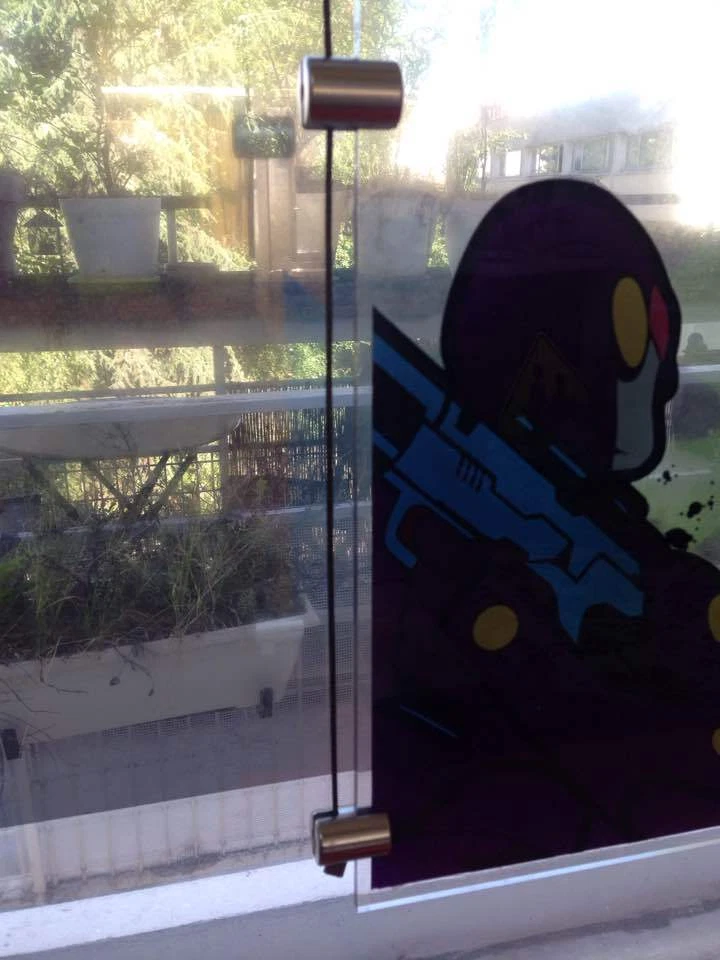
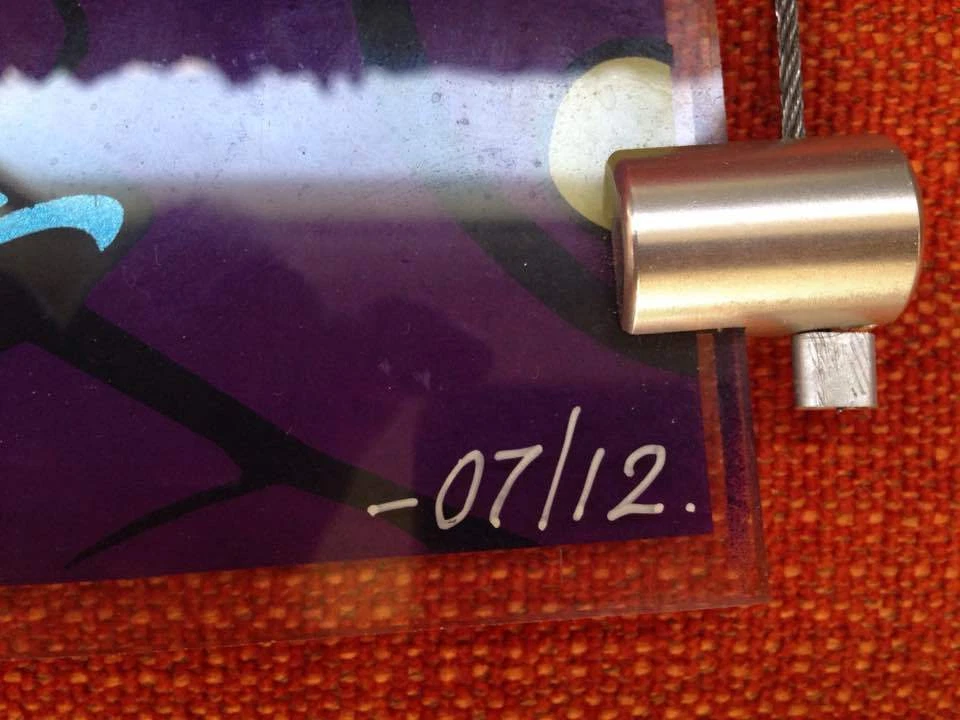
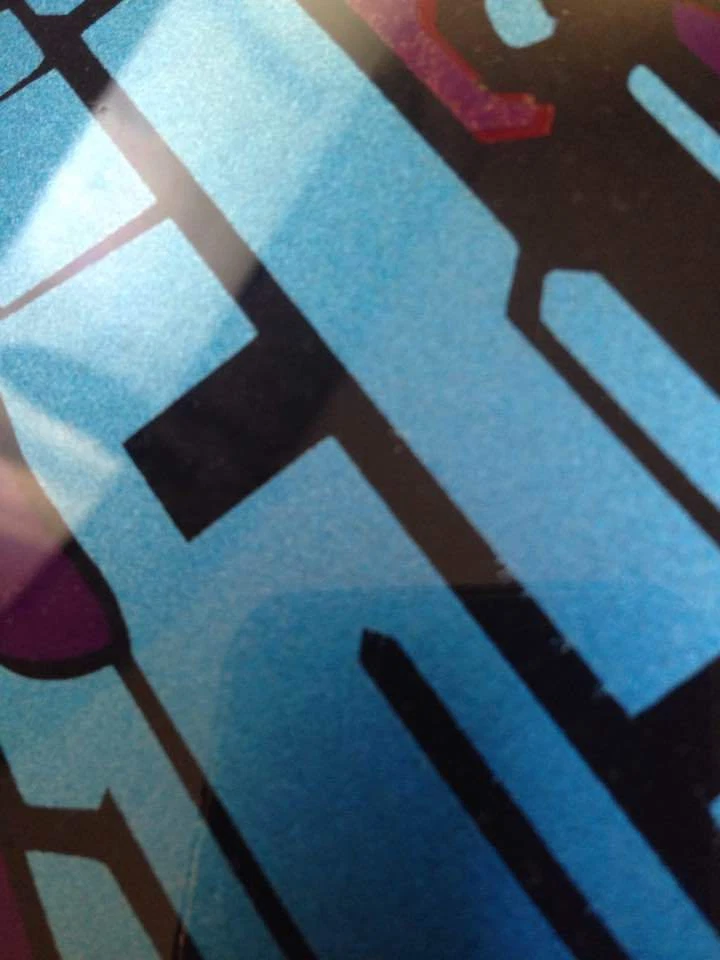
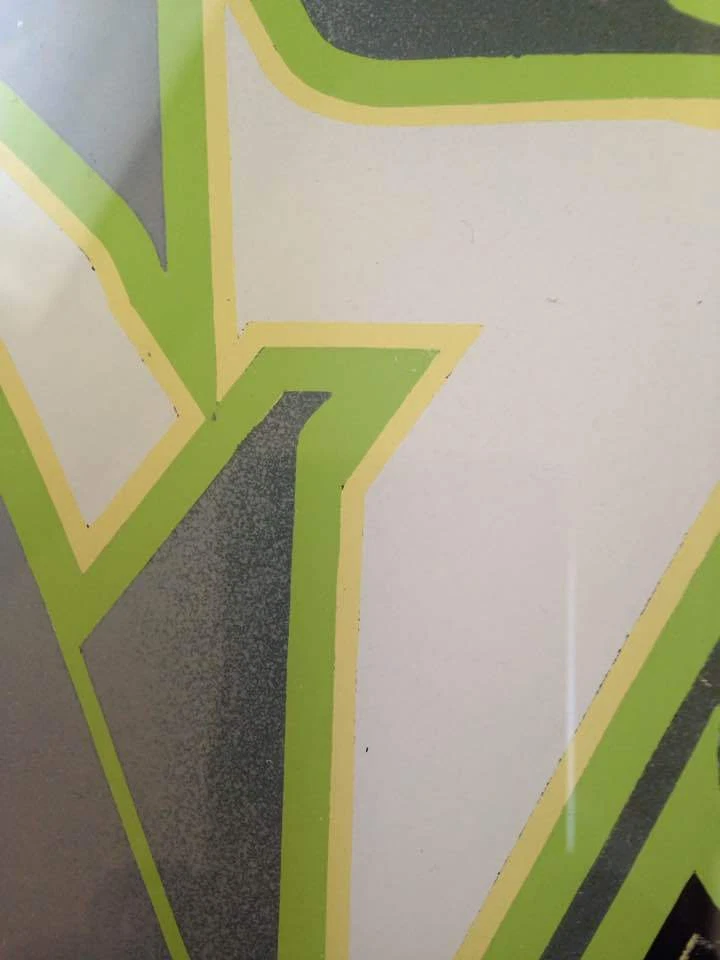
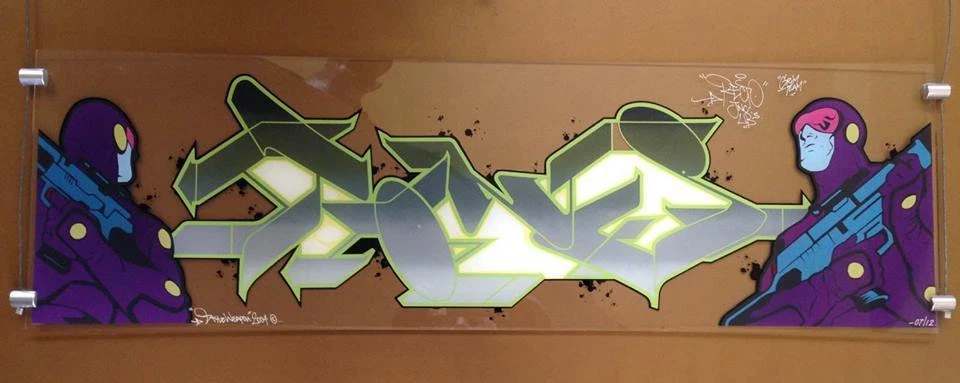
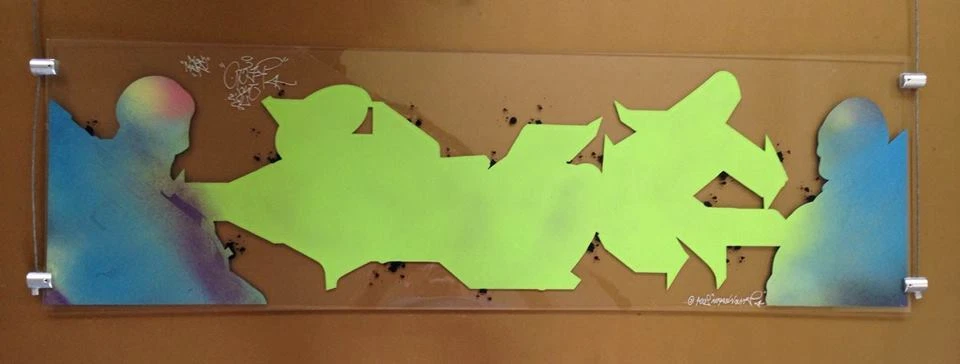
Painting created using spray paint (graffiti) with multiple stencils applied from the back of a 5mm-thick transparent Plexiglass panel,using 10 colors—including metallic shades—applied as solid colors or gradients. Signed,titled,dated,and numbered by hand.
30 × 100 × 0.5 cm
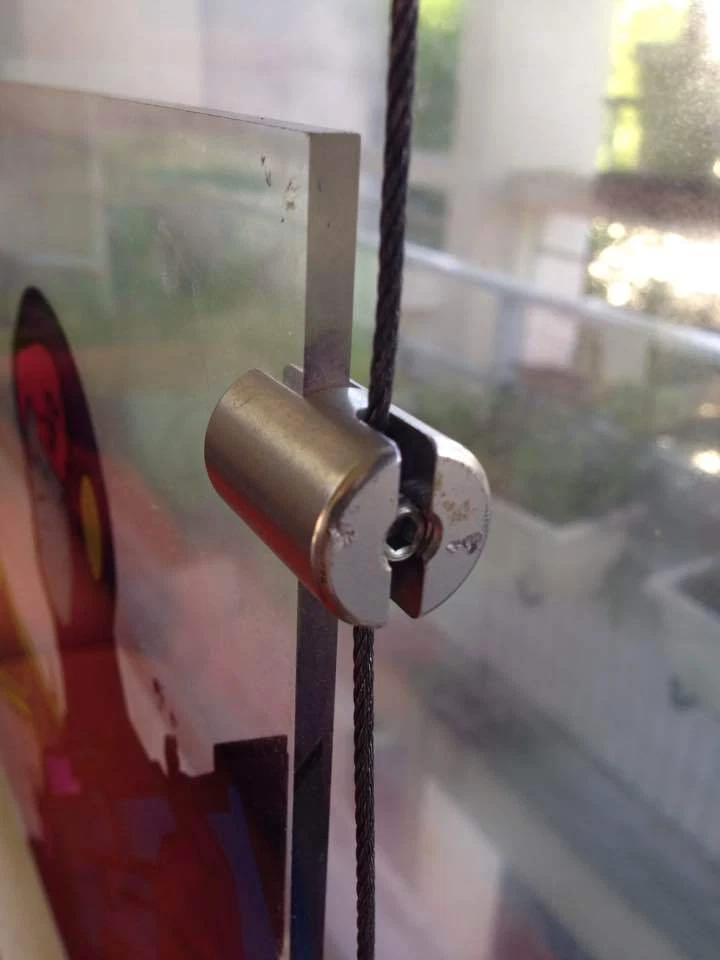
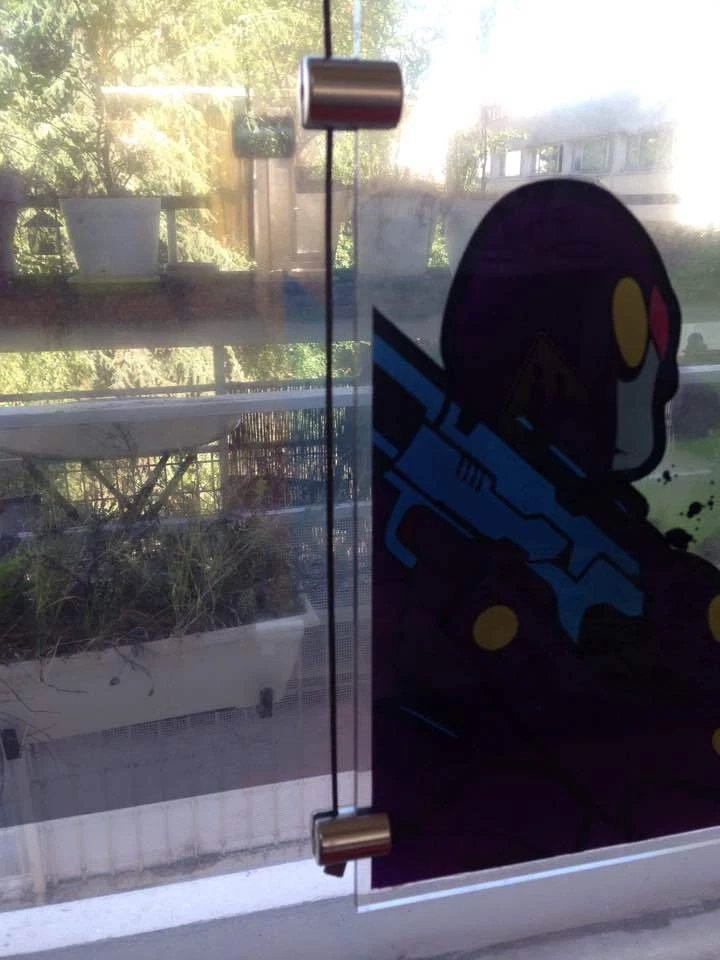
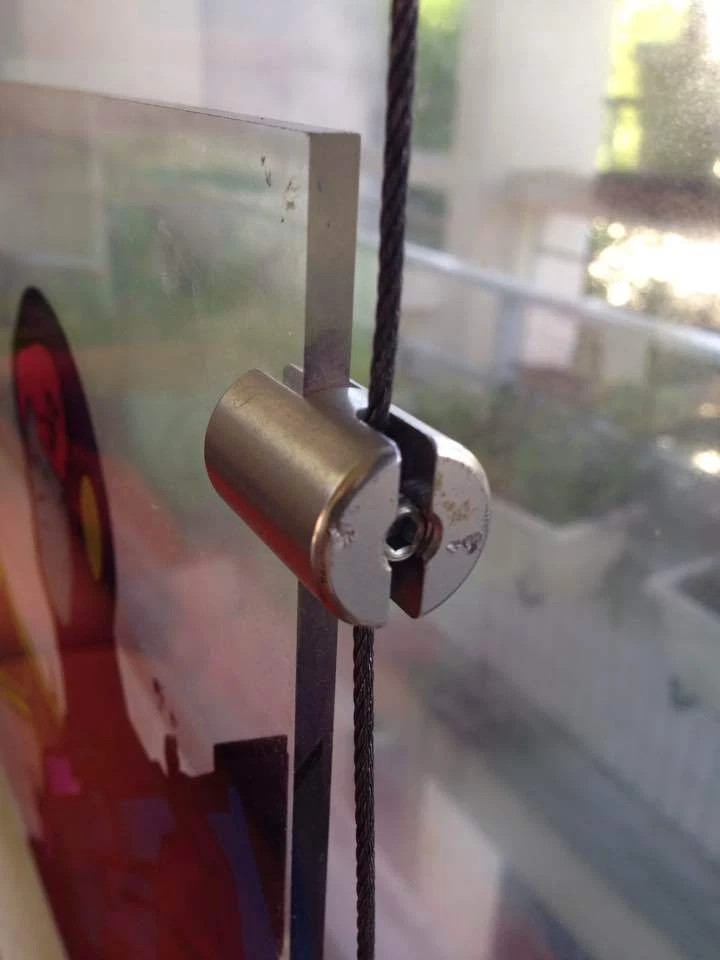
Ed. / 12 — Avec système de suspension murale ou au plafond réglable pour décaler l'oeuvre du mur Longueur de cable fournie ,115 cm réglable par côté
Location: Paris, France

Arianee token ID
955505461
Share by
Email
Documents
-
Invoice or proof of purchase
-
Certificate of authenticity
-
Other documents
About the artwork
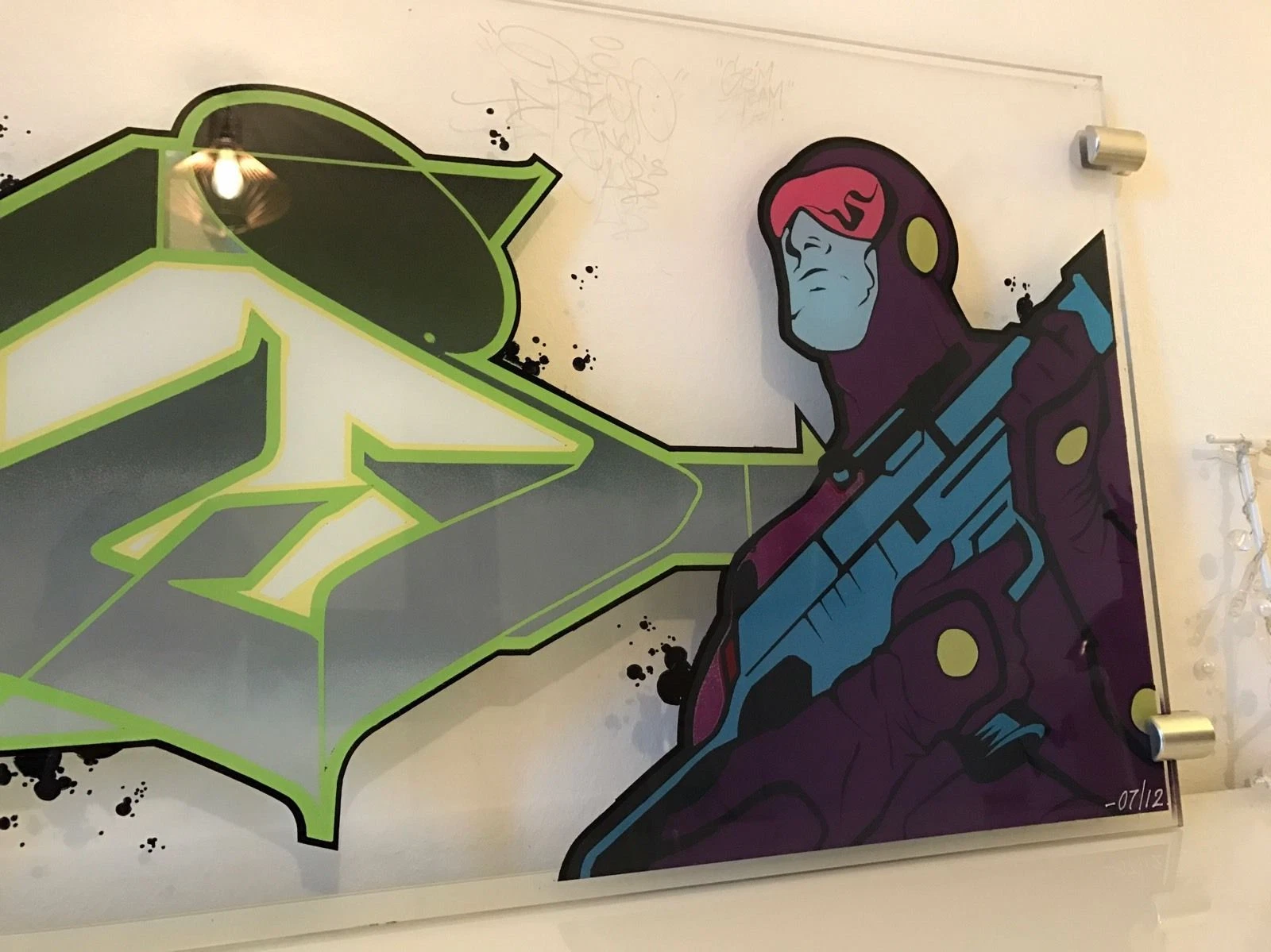
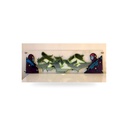
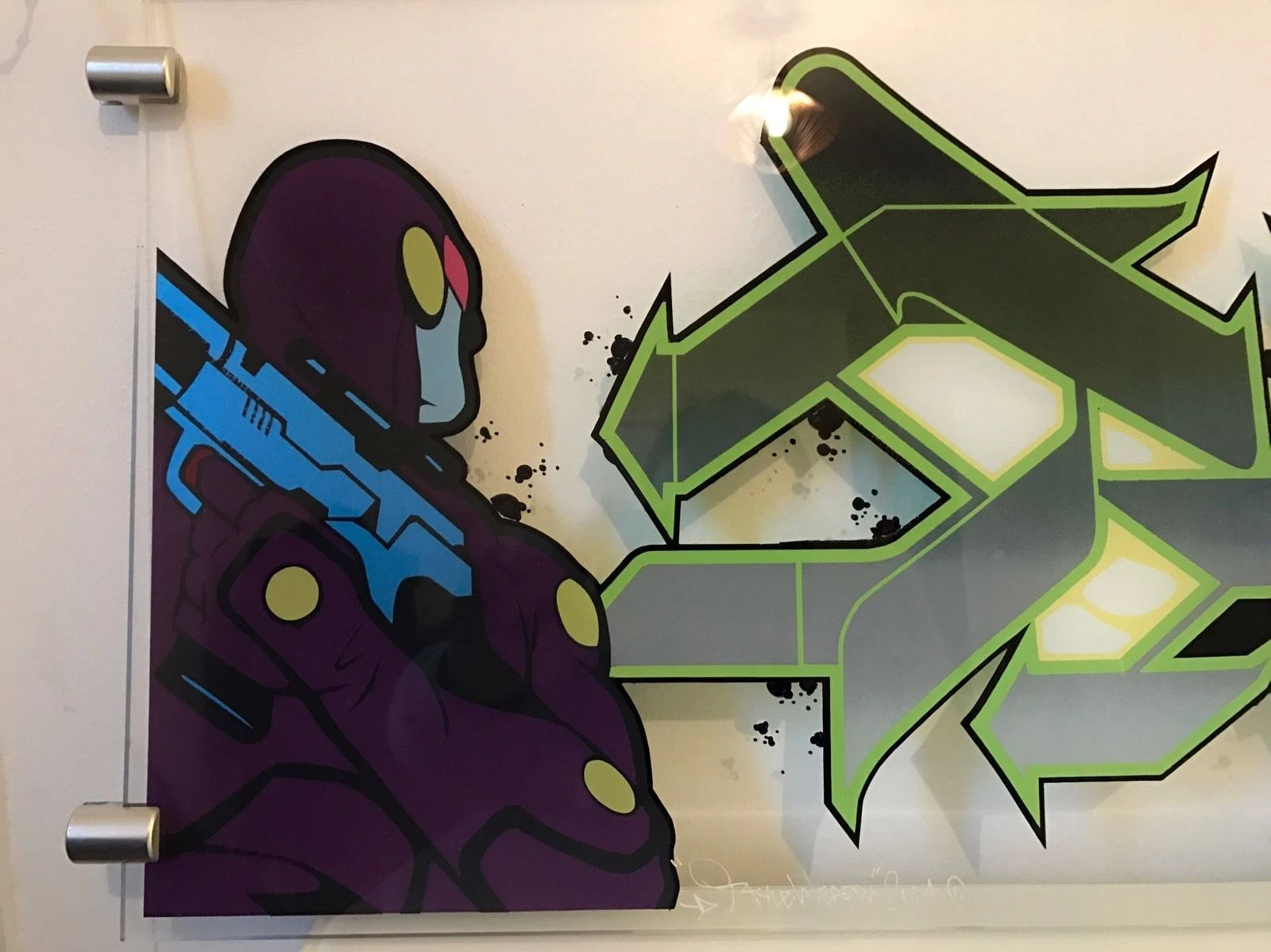
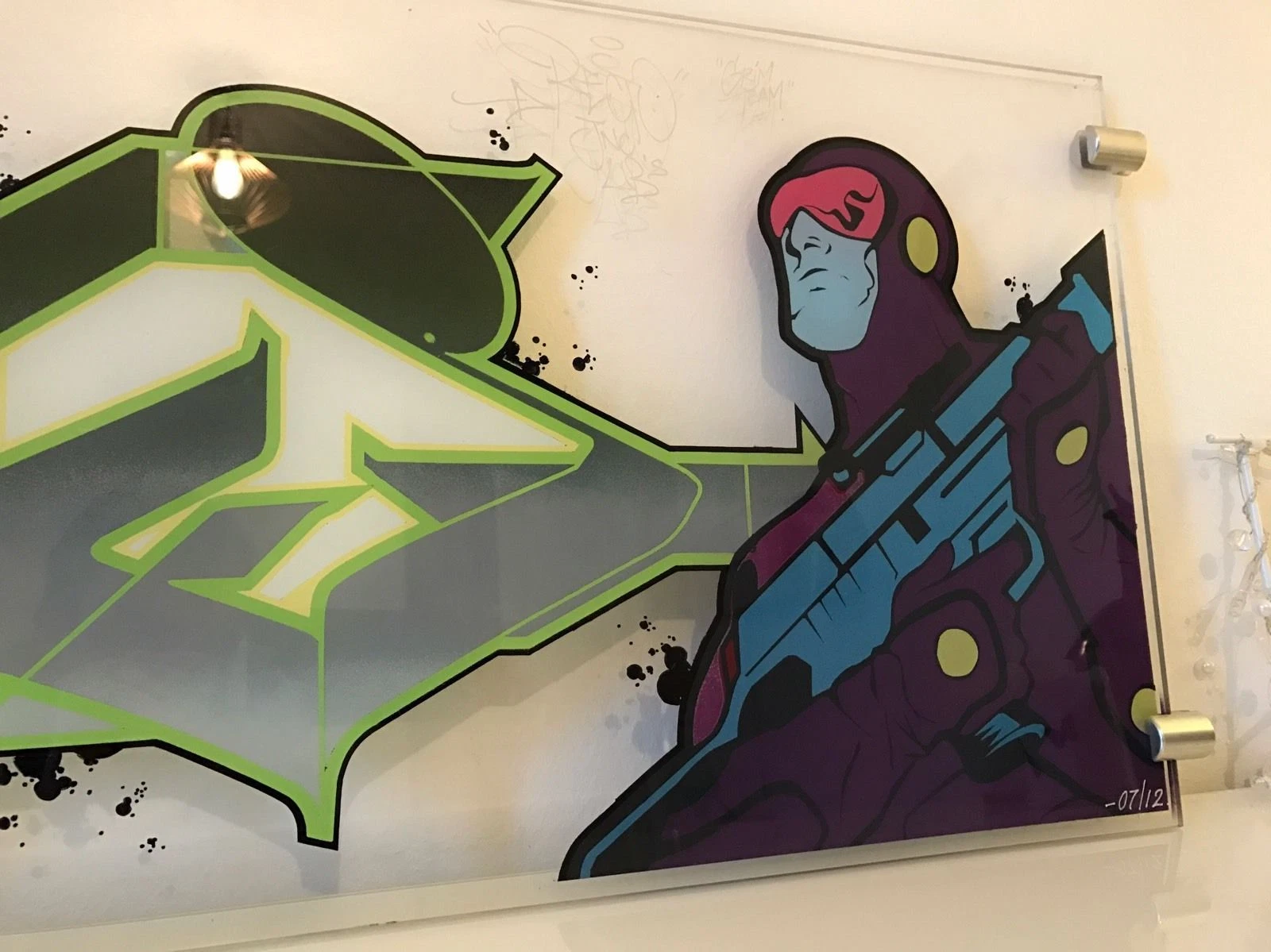
style weapon,dated 2004,is documented as Painting created using spray paint (graffiti) with multiple stencils applied from the back of a 5mm-thick transparent Plexiglass panel,using 10 colors—including metallic shades—applied as solid colors or gradients. Signed,titled,dated,and numbered by hand.,measuring 30 × 100 cm. The corresponding main image shows a long horizontal weapon-like or mechanical form in green and grey,flanked by small coloured graphic elements. The composition is organised through the relationship between the central motif and the surrounding field,with the support remaining visibly relevant to the final appearance. Colour,outline,printed information,spray marks,drips,repeated forms or handwritten interventions are described only where they can be seen in the supplied image.
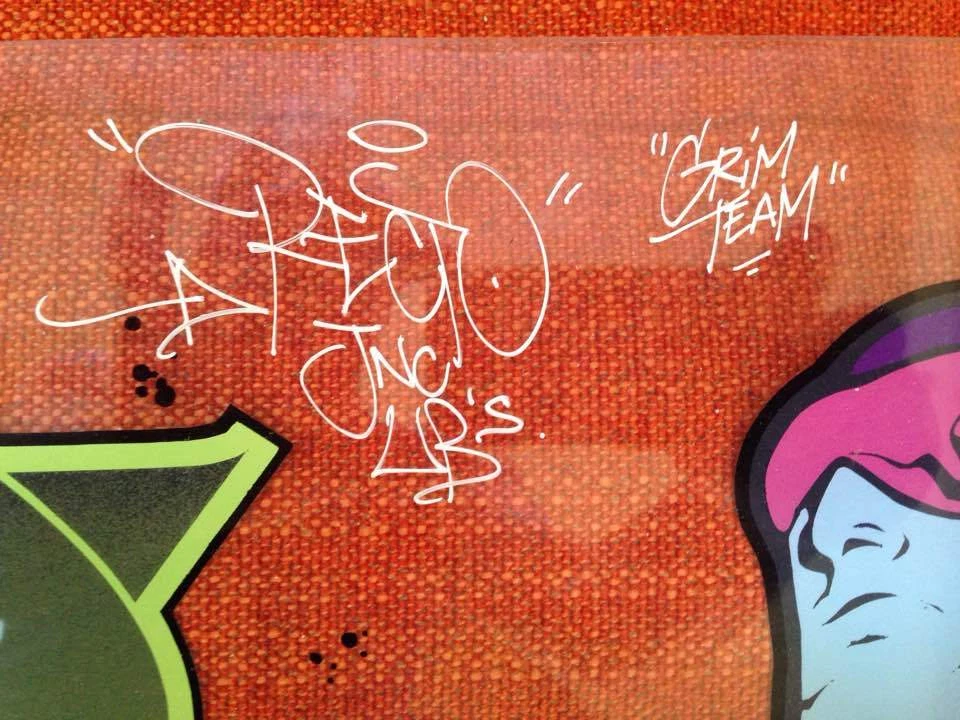
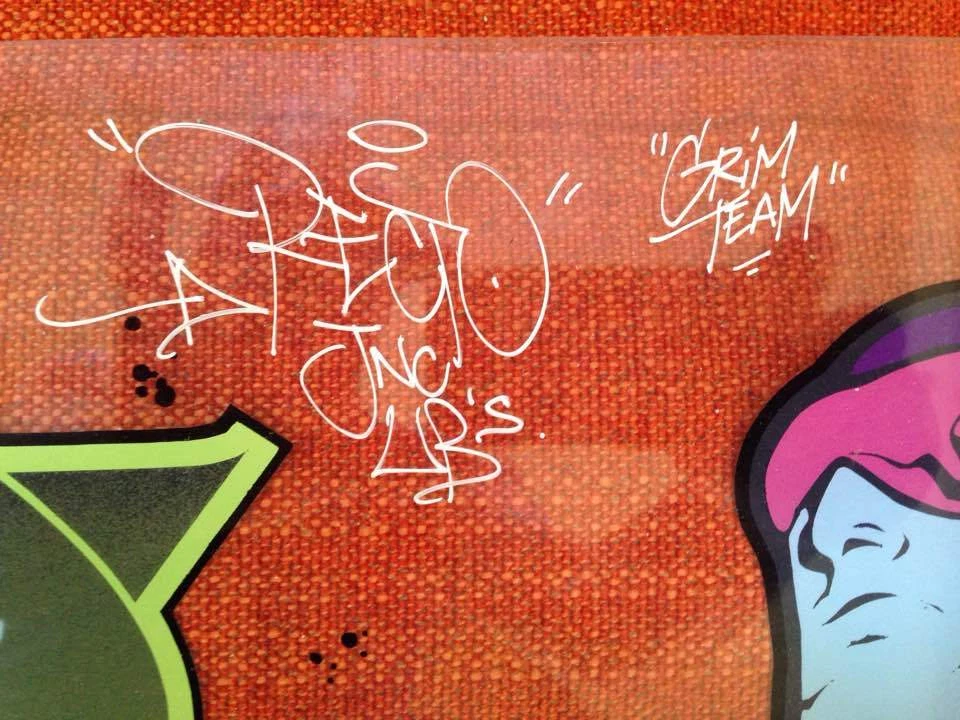
The material description indicates that the work was produced through painting created using spray paint (graffiti) with multiple stencils applied from the back of a 5mm-thick transparent plexiglass panel,using 10 colors—including metallic shades—applied as solid colors or gradients. signed,titled,dated,and numbered by hand.. This technique helps explain the distinction between mechanically transferred areas and direct manual intervention,where present. The image supplied is sufficient to describe the overall composition,palette and principal motifs,but it should not be treated as confirmation of details that require a close-up or reverse view. The supplied note records the work as signed. The manifest records the edition information as Ed. / 12. Any information concerning the back,labels,stamps,certificate,exact placement of a signature or the physical condition derives from the written documentation rather than from an assumed visual reading. No additional narrative elements have been introduced beyond the visible image and the manifest.
Expert opinion
From a cataloguing perspective,style weapon is best positioned within graffiti and urban-art practices,particularly the direct use of aerosol,marker and layered graphic gesture. Its assessment should begin with the verified object type: Painting created using spray paint (graffiti) with multiple stencils applied from the back of a 5mm-thick transparent Plexiglass panel,using 10 colors—including metallic shades—applied as solid colors or gradients. Signed,titled,dated,and numbered by hand.,dated 2004,and a work documented as Ed. / 12. These factors determine how the work should be compared with other examples. An original drawing,hand-finished proof,prototype,unique variant or sculpture should not be evaluated according to the same criteria as a regular numbered edition,even when the imagery is closely related.
The work’s relevance lies in the connection between its physical manufacture and the visual codes of urban culture. Where the support carries pre-existing information,where the surface includes aerosol,marker,drips or hand-applied colour,or where a printed image is individually modified,these characteristics contribute to its specificity. Edition size,numbering,signature and dating are therefore material catalogue points rather than promotional attributes. No certificate is confirmed by the manifest unless separately supplied. No separate provenance statement is included in the manifest. Condition should be assessed directly,with particular attention to paper edges,folds,abrasions,mounting,surface cracking,frame contact and any difference between the written dimensions and the object itself. No conclusion regarding price,auction performance,rarity or future value is made from the available documentation.
About the artist
Frédéric Platéus, born in Belgium in 1976, is a self-taught artist known for his work that draws inspiration from technology, science, motorsports, and urban culture. His artistic practice often involves the creation of large-scale wall artworks and sculptures that incorporate industrial materials and techniques. Platéus's work has been associated with the "Finish Fetish" movement, which emerged in the late 1960s on the West Coast of the United States, characterized by its use of industrial materials and a focus on polished surfaces.
Platéus has exhibited his work in numerous solo and group shows at institutions and galleries internationally, including MAC's – Musée des Arts Contemporains in Grand-Hornu, Belgium, and Ruttkowski;68 in Paris and New York. He received the Prix Jeune Artiste from the Parliament of the French Community of Belgium in 2005 and the Prix de la Création from the City of Liège in 2010. His works are held in public collections such as BPS22 – espace de création contemporaine Charleroi and the Musée National des Arts et Traditions Populaires in Paris.
Additional info
Signed
3x
OTHER ARTWORKS YOU MAY LIKE
Your Dynamic Snippet will be displayed here...
This message is displayed because you did not provide both a filter and a template to use.