Max Bill
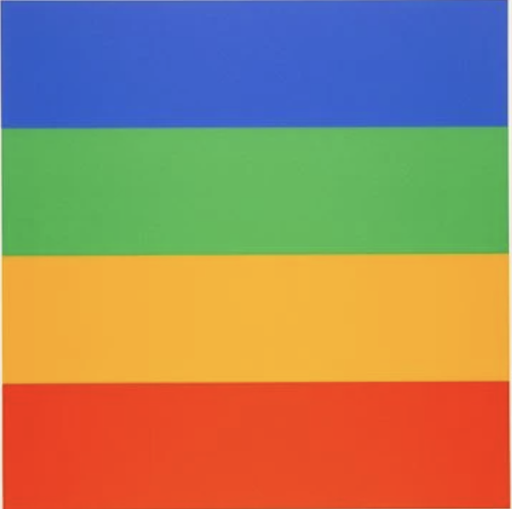
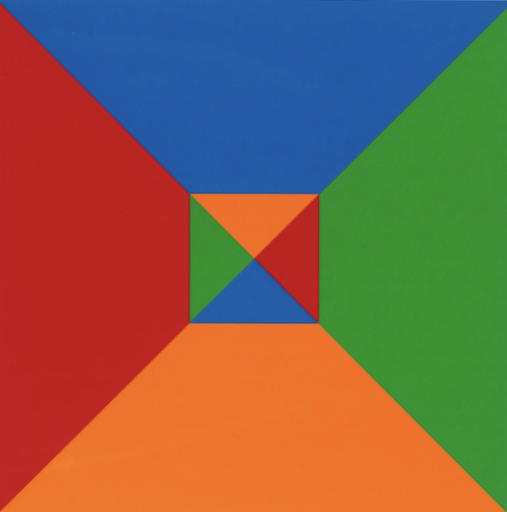
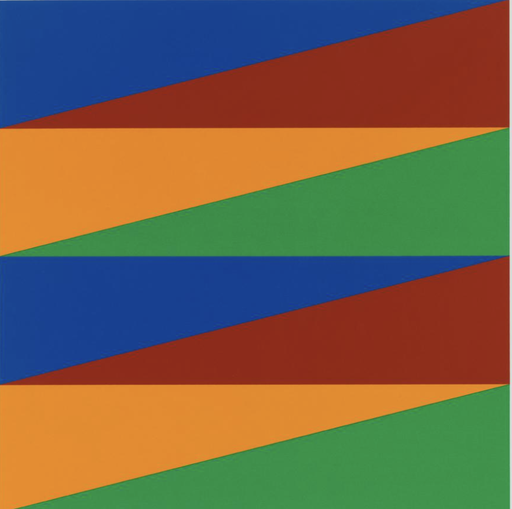
Born in Switzerland in 1908 and died in 1994, Max Bill was a painter, graphic artist, designer, essayist and architect who belonged to the renowned Bauhaus school, a place of creation and simplification of forms, materials and purification of colors. After following the teachings of Kandinsky, Klee and Oskar Schlemmer, Max Bill became one of the pillars of Concrete Art, a movement he propagated and amplified from 1936 onwards. In 1944, he became a professor at the Zurich School of Fine Arts, then at the prestigious HFBK (Hamburg), and in 1951 co-founded the University of Applied Arts (Ulm), where he headed the architecture and design departments. His engraved work is recognizable for its sharp forms, pure flat colors and symmetrical compositions. Internationally recognized as a master of modernity, Max Bill's work is exhibited in major museums around the world: MoMa (New York), Centre Pompidou (Paris), Tate (London), Detroit Institute of Arts (Detroit), and the Museo Reina Sofía (Madrid). He has been awarded the Kandinsky Prize and the Nobel Prize for the Arts in Tokyo: the "Praemium Imperiale".